-
Shop
- Advanced Technologies
- Aesthetic Design
- AI Interior Design
- AI Skills for Creators & Freelancers
- AI Client Management
- AI Ethics
- AI Mindset
- AI Tools & Prompts
- AI Writing & Content Creation
- Audio, Voice & Music
- Design & Visual Creation
- Email, Messaging & Communication
- Freelancing & Business
- Marketing, Ads & Conversion
- Productivity, Workflow & Automation
- SEO & Search Optimization
- Social Media Content & Growth
- Strategy, Planning & Analytics
- Video Creation & Editing
- Bathroom
- Beauty
- Best-Sellers
- Business & Digital Skills
- Car Accessories
- Dating & Social Skills
- Digital Resources
- Education & Learning
- Family & Home
- Family & Parenting
- Fashion
- Alexander McQueen
- Bags
- Bags & Wallets
- Balenciaga
- Belts
- Blazers
- Blouses & Shirts
- Bottega Veneta
- Brunello Cucinelli
- Burberry
- Chanel
- Chloé
- Dior
- Dolce & Gabbana
- Dresses
- Etro
- Fendi
- Gucci
- Hats & Hair Accessories
- Jacquemus
- Jewelry
- Jil Sander
- Kiton
- Luggage Bags
- Miu Miu
- Off-White
- Outerwear
- Prada
- Rick Owens
- Saint Laurent
- Scarves
- Shoes
- Socks & Tights
- Sunglasses
- The Row
- Tom Ford
- Valentino
- Valentino Garavani
- Versace
- Vivienne Westwood
- Watches
- Fashion & Beauty
- Furniture
- Gadgets
- Health & Beauty
- Health & Wellness
- Home & Garden
- Home Decor
- Home Electronics
- Kids & Babies
- Kitchen
- Lighting
- Luxury Interior Styling
- Nike
- Patio, Lawn & Garden
- Personal Growth
- Personal Growth & Wellness
- Personal Style & Fashion
- Pet Care
- Pet Supplies
- Pets
- Sport & Outdoors
- TikTok Growth & Monetization Mastery
- Travel
- Wealth
- Wealth Building
- Budgeting & Saving
- Cryptocurrency Investing
- Debt Management
- Entrepreneurship & Business Growth
- Family Finance & Budgeting
- Financial Independence
- Financial Mindset & Psychology
- Financial Planning
- Frugal Living & Expense Hacks
- Goal Setting
- High-Income Skills
- Investing Basics
- Leadership
- Motivation
- Networking & Mentorship
- Passive Income Strategies
- Real Estate Investing
- Side Hustles
- Stock Market Investing
- Wellness
Sports That Build Confidence: Self-Belief in 4 Weeks
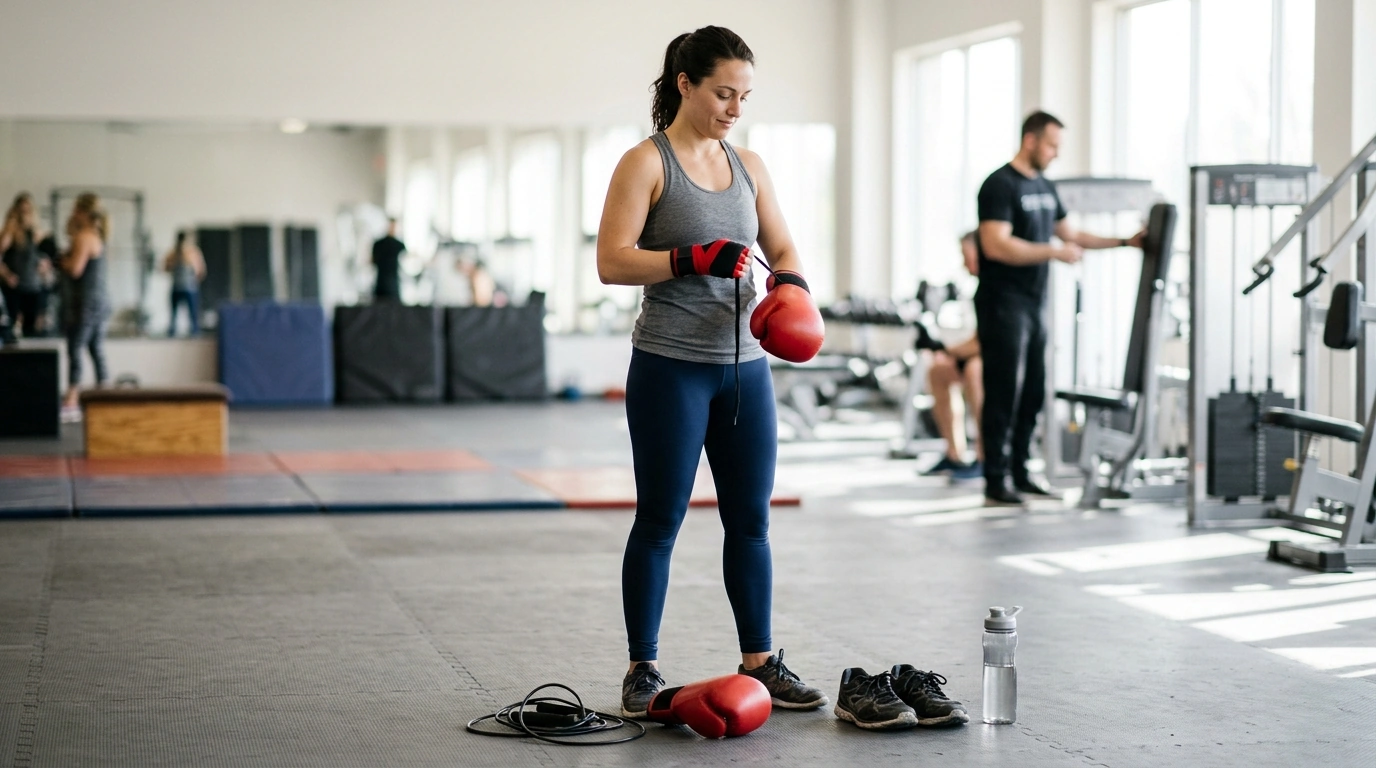
Confidence in Motion: Sports That Build Self-Belief and Inner Strength
Confidence grows fastest when effort turns into visible progress. Certain sports make that progress hard to miss: a longer run, a cleaner punch, a steadier breath, a calmer mind under pressure. The result is practical self-belief—earned through repetition, feedback, and small wins that stack into inner strength.
Regular physical activity also supports mental well-being by easing stress and improving mood—benefits highlighted by the American Psychological Association and the CDC. But “exercise” is a wide world. When the goal is confidence, it helps to choose a sport that teaches the specific skills you want to feel in daily life.
Why movement strengthens confidence
The mastery loop builds trust in yourself
Sports create a simple loop: practice → feedback → improvement. When you can see or feel the change—better timing, smoother technique, longer stamina—your brain updates its story from “maybe I can” to “I can, because I’ve done it before.”
Your body can lower the volume on stress
Breathing, posture, and physical readiness influence how intense a challenge feels in the moment. Training improves those inputs, so nerves become more manageable. Over time, you recognize the sensation of effort without panicking about it.
Consistency reshapes identity
Showing up turns confidence into a pattern, not a personality trait. When training becomes routine, it’s easier to see yourself as a doer—someone who follows through—rather than someone waiting to “feel ready.”
Resilience is a trainable skill
Sports expose you to controlled discomfort: fatigue, awkwardness, losing points, missing shots. That exposure makes everyday pressure feel less personal and more solvable. Challenges stop being proof you’re failing and start being proof you’re practicing.
The best sports for self-belief (and what they teach)
Different sports build different kinds of confidence. Some strengthen composure under pressure, others build patience, and others teach social ease. The best choice is the one you can repeat often enough to collect small wins.
| Sport | Best for | Confidence skill | Low-barrier way to start |
|---|---|---|---|
| Martial arts | Inner strength under pressure | Assertiveness + composure | Beginner fundamentals class |
| Running/Walking | Consistency and follow-through | Self-trust through streaks | 20–30 min walk-run plan |
| Swimming | Calm focus | Breath control + patience | Technique-focused lessons or lane basics |
| Strength training | Measurable progress | Competence through numbers | Full-body routine 2x/week |
| Rock climbing | Fear management | Problem-solving confidence | Intro session at climbing gym |
| Team sports | Social confidence | Communication + recovery from errors | Recreational league or pick-up games |
| Yoga/Pilates | Self-regulation | Grounded confidence | Beginner flow 2–3x/week |
Martial arts: calm power and boundaries
Boxing, judo, karate, taekwondo, and Brazilian jiu-jitsu are built on clear skill progressions. Controlled sparring and drills teach you to stay present under pressure—while also practicing respectful boundary-setting. You learn that intensity doesn’t have to equal chaos.
Running or brisk walking: reliable self-trust
Running and walking reward consistency more than talent. Progress is obvious—distance, time, heart rate, or how quickly you recover. The confidence lesson is simple: small efforts, repeated, become proof you follow through.
Swimming: composure when it’s hard
Swimming teaches breath control and staying relaxed in a demanding environment. When you learn to exhale steadily, keep your technique together, and finish the length you planned, confidence shows up as calm focus rather than hype.
Strength training: competence you can count
Strength work offers clear feedback: form quality, reps, and load. It trains patience—because progress happens in increments—and it turns effort into numbers you can trust. That “I can do more than I did” mindset transfers quickly outside the gym.
Rock climbing or bouldering: courage + strategy
Climbing makes you solve problems with your body. Routes provide immediate feedback, and fear becomes something you can work with: breathe, assess, try again. Each successful move becomes evidence you can think clearly while challenged.
Team sports: confidence with people
Yoga or Pilates: steadiness and self-regulation
Matching a sport to the confidence you want
A simple 4-week plan to build self-belief through training
Week 1: show up
Week 2: track one metric
Week 3: add a small challenge
Week 4: prove it to yourself
Staying confident when motivation drops
- Use “minimum reps” days: commit to a tiny start (5 minutes). Starting is often the hardest part.
- Reframe setbacks: soreness, awkward technique, and off-days are common signals of adaptation, not proof you can’t do it.
- Choose supportive environments: beginner classes, coaching, or friendly clubs reduce self-judgment and speed up learning.
- Use recovery as training: sleep, hydration, and nutrition stabilize mood and performance. (The NHS also notes exercise can support mental health when done consistently.)
- Keep a short wins log: one line after each session—“showed up,” “improved form,” “stayed calm,” “asked for help.”
A guided approach for building inner strength
For a focused, practical roadmap, explore Confidence in Motion: The Best Sports to Build Self-Belief and Inner Strength – eBook for Confidence & Personal Growth.
To support the mental side of training days—especially when confidence feels shaky—pairing your routine with a positive mindset reset can help, such as Bright Side Thinking: A Simple Guide to Positive Thoughts – How to Have Positive Thoughts Every Day. If you prefer a quick, systems-based approach to staying consistent, a lightweight workflow guide like How to Use AI to Generate Summaries Checklist | how to use ai to generate summaries | Digital Productivity Guide for Faster Reading & Smarter Workflows can make it easier to review notes, track wins, and keep your plan simple.
FAQ
What sport gives you the most confidence?
The sport that builds the most confidence depends on what kind of confidence you want: martial arts and strength training often build competence and assertiveness, climbing builds courage and problem-solving, and team sports build social confidence. The best choice is the one you’ll practice consistently and can measure with clear milestones.
Recommended for you



Was this article helpful?
Yes
No







Leave a comment