-
Shop
- Advanced Technologies
- Aesthetic Design
- AI Interior Design
- AI Skills for Creators & Freelancers
- AI Client Management
- AI Ethics
- AI Mindset
- AI Tools & Prompts
- AI Writing & Content Creation
- Audio, Voice & Music
- Design & Visual Creation
- Email, Messaging & Communication
- Freelancing & Business
- Marketing, Ads & Conversion
- Productivity, Workflow & Automation
- SEO & Search Optimization
- Social Media Content & Growth
- Strategy, Planning & Analytics
- Video Creation & Editing
- Bathroom
- Beauty
- Best-Sellers
- Business & Digital Skills
- Car Accessories
- Dating & Social Skills
- Digital Resources
- Education & Learning
- Family & Home
- Family & Parenting
- Fashion
- Alexander McQueen
- Bags
- Bags & Wallets
- Balenciaga
- Belts
- Blazers
- Blouses & Shirts
- Bottega Veneta
- Brunello Cucinelli
- Burberry
- Chanel
- Chloé
- Dior
- Dolce & Gabbana
- Dresses
- Etro
- Fendi
- Gucci
- Hats & Hair Accessories
- Jacquemus
- Jewelry
- Jil Sander
- Kiton
- Luggage Bags
- Miu Miu
- Off-White
- Outerwear
- Prada
- Rick Owens
- Saint Laurent
- Scarves
- Shoes
- Socks & Tights
- Sunglasses
- The Row
- Tom Ford
- Valentino
- Valentino Garavani
- Versace
- Vivienne Westwood
- Watches
- Fashion & Beauty
- Furniture
- Gadgets
- Health & Beauty
- Health & Wellness
- Home & Garden
- Home Decor
- Home Electronics
- Kids & Babies
- Kitchen
- Lighting
- Luxury Interior Styling
- Nike
- Patio, Lawn & Garden
- Personal Growth
- Personal Growth & Wellness
- Personal Style & Fashion
- Pet Care
- Pet Supplies
- Pets
- Sport & Outdoors
- TikTok Growth & Monetization Mastery
- Travel
- Wealth
- Wealth Building
- Budgeting & Saving
- Cryptocurrency Investing
- Debt Management
- Entrepreneurship & Business Growth
- Family Finance & Budgeting
- Financial Independence
- Financial Mindset & Psychology
- Financial Planning
- Frugal Living & Expense Hacks
- Goal Setting
- High-Income Skills
- Investing Basics
- Leadership
- Motivation
- Networking & Mentorship
- Passive Income Strategies
- Real Estate Investing
- Side Hustles
- Stock Market Investing
- Wellness
Pallet Fork Size for Tractors: 42 vs 48 vs 60 Inches
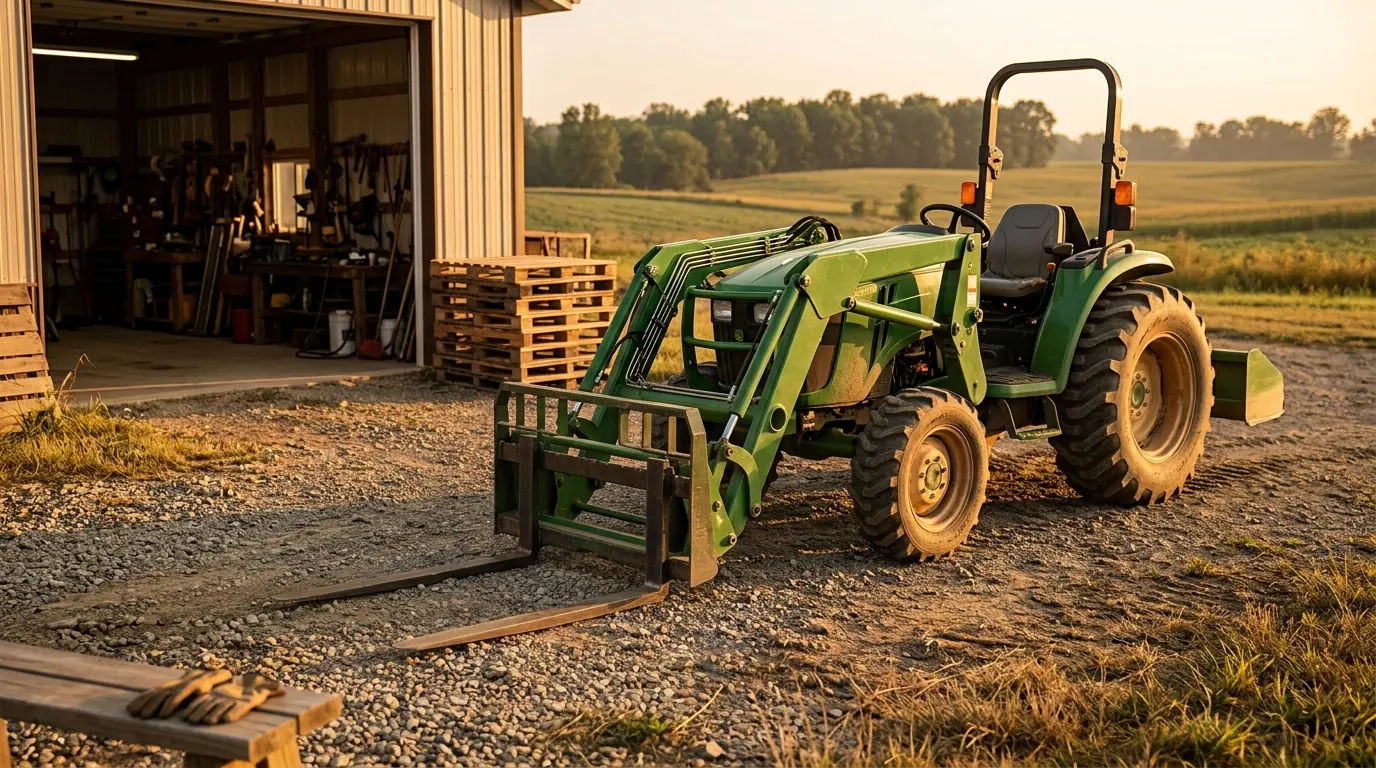
What size pallet forks for tractor?
The right pallet fork size for a tractor depends on three things: how much weight you need to lift, how far forward you can safely carry it, and what your loader or 3-point hitch is rated to handle. Most compact and utility tractors do well with fork lengths in the 42–48 inch range for general chores like moving palletized feed, lumber, or brush piles on a pallet. Longer forks (60–72 inches) can be helpful for bulky loads, but they also shift weight farther out, which reduces safe lifting capacity and increases the chance of tipping.
Start with your tractor’s loader lift capacity at the pivot pins (and, if available, at 500 mm forward). Forks act like a lever: the longer and heavier they are, the more they eat into usable capacity. For many small-to-mid tractors, a fork set rated around 2,000–4,000 lb is common, while heavier utility and farm tractors may justify 4,000–5,500 lb or more—assuming the loader can actually use that rating.
Quick sizing guidelines
42-inch forks: Great for tight spaces, lighter pallets, and compact tractors where capacity is limited.
48-inch forks: The most versatile “do-it-all” choice for standard pallets and everyday farm or property work.
60–72 inch forks: Best for long materials or double-stacking support, but only if your loader can handle the reduced effective capacity.
What else to match besides length
Also confirm the mount style (skid steer quick attach, Euro/Global, pin-on, or 3-point), carriage width for stability, and the fork class and rating (capacity is typically measured at a 24-inch load center). If you frequently move dense loads (stone, wet logs, bulk seed), prioritize stronger forks and a stout frame over extra length.
For a detailed breakdown of fork lengths, capacities, and choosing the right mount for your machine, visit https://wispella.com/what-size-pallet-forks-for-tractor/.
FAQ
Do I need a pallet fork frame or clamp-on forks?
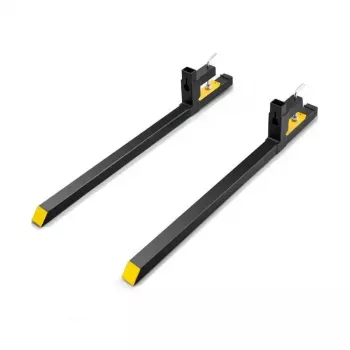
A dedicated fork frame is safer and more stable for frequent lifting, with better visibility and load control. Clamp-on forks are cheaper for occasional use but can bend buckets, reduce control, and shift the load farther forward.
Recommended for you

Was this article helpful?
Yes
No







Leave a comment